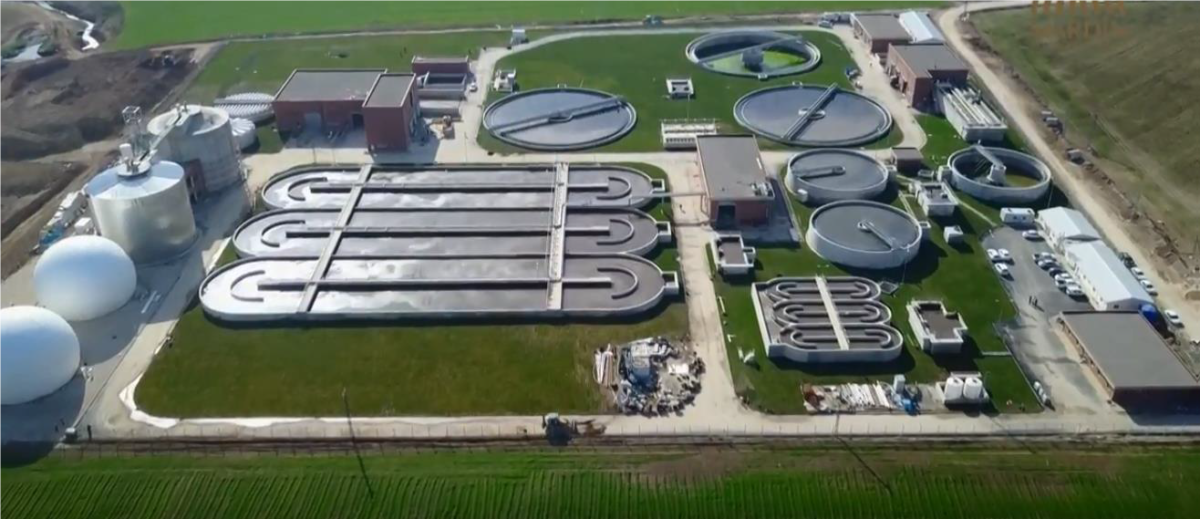
The United Nations says wastewater from households, industries and agriculture should not be seen as a problem but a valuable resource which could help meet the demands for water, energy and nutrients from a growing global population. Word-wide, more than 80 per cent of wastewater that is untreated,is released into rivers and lakes with a negative impact on health and the environment, per the 2017 UN World Water Development Report published on Wednesday. One in three rivers in Latin America, Asia and Africa are affected putting millions of lives at risk and causing untold damage to the environment, the report says.
“Wastewater itself is a valuable resource, even the term wastewater is an oxymoron,” Connor told the Thomson Reuters Foundation.
“We need to stop seeing it as a burden to be dealt with. It’s not a waste and should not be a waste, especially in this world of water scarcity,” he said by phone from Perugia.
Wastewater contains nutrients such as phosphorus and nitrates which can be turned into fertiliser, said Richard Connor, editor-in-chief of the report.
Treated sludge can be turned into biogas that could power wastewater treatment plants or be sold on the market, he added.
With the world’s population expected to grow by one third to more than 9 billion by 2050, the world will need 55 per cent more water and 70 per cent more energy, the United Nations says.
More people also means more wastewater, including from sanitation, which governments have pledged to improve as part of development goals agreed by UN member states in 2015.
Increased wastewater is one of the biggest challenges associated with the growth of informal settlements in rapidly expanding cities in developing countries, the report said.
A solution for governments is to not only invest in smaller, decentralised treatment systems, which cost a fraction of conventional plants and require less maintenance but to invest in training so that operators are able to operate these plants efficiently.